
Inside Ctrl+G’s path to redefining how AI-native teams build
Grégoire Gambatto & Paco Villetard, cofounders of Ctrl+G, on building faster than ever by rethinking product, people, and process

Hey, I’m Timothe, cofounder of Stellar & based in Paris.
I’ve spent the past years helping 500+ startups in Europe build better product orgs and strategies. Now I’m sharing what I’ve learned (and keep learning) in How They Build. For more: My Youtube Channel (🇫🇷) | My Podcast (🇫🇷) | Follow me on Linkedin.
If you’re not a subscriber, here’s what you’ve been missing:
Ctrl+G was founded in 2025 by Grégoire Gambatto and Paco Villetard, 2 serial founders best known for Germinal and OnlyDust. Their mission: reinvent how teams build and deliver software in an AI-native world.
Origins: Ctrl+G is the third act of the duo after Germinal (growth marketing agency scaled to €3 M ARR) and OnlyDust (open-source developer marketplace that distributed $15 M to 8,000 developers across 39 countries).
Focus: Ctrl+G builds infrastructure and data pipelines enabling top AI labs to train and evaluate their models faster with high-quality developer-generated data.
Market position: Positioned between open-source coordination and AI data infrastructure, Ctrl+G works with some of the world’s leading AI labs, including several in the global top 7.
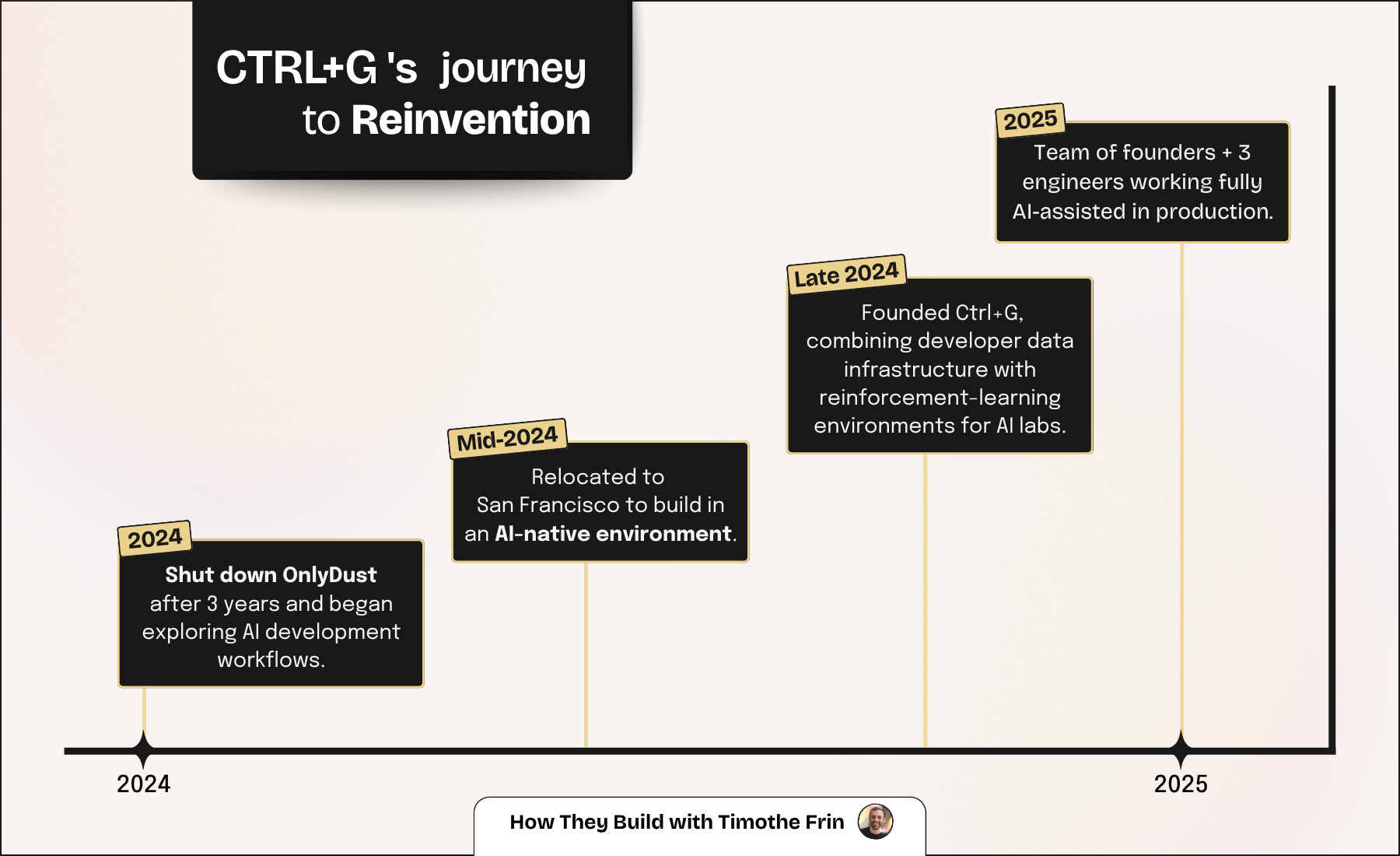
Milestones:
2024 – Shut down OnlyDust after 3 years and began exploring AI development workflows.
Mid-2024 – Relocated to San Francisco to build in an AI-native environment.
Summer 2025 – Founded Ctrl+G, combining developer data infrastructure with reinforcement-learning environments for AI labs.
2025 – Team of founders + 3 engineers working fully AI-assisted in production.
I sat down with Grégoire Gambatto and Paco Villetard of Ctrl+G to discuss how they built an AI-native product company from zero in months.
Disclaimer: The organizational choices and technical solutions shared in this newsletter aren’t meant to be copied and pasted as-is. Always keep your company’s context in mind before adopting something that works elsewhere! 😊Backstory
After scaling Germinal, their growth-marketing agency, to €3 M in revenue, Grégoire and Paco faced the familiar trap: service businesses struggle to productize.
“Like all agencies that try to build a product, it didn’t work. We were great at service, not at tech” as Grégoire recalls.
That failure seeded OnlyDust, a platform connecting open-source maintainers with developers funded by foundations. They distributed $15 M to 8,000 contributors, learning how to manage global payments, incentives, and trust at scale.
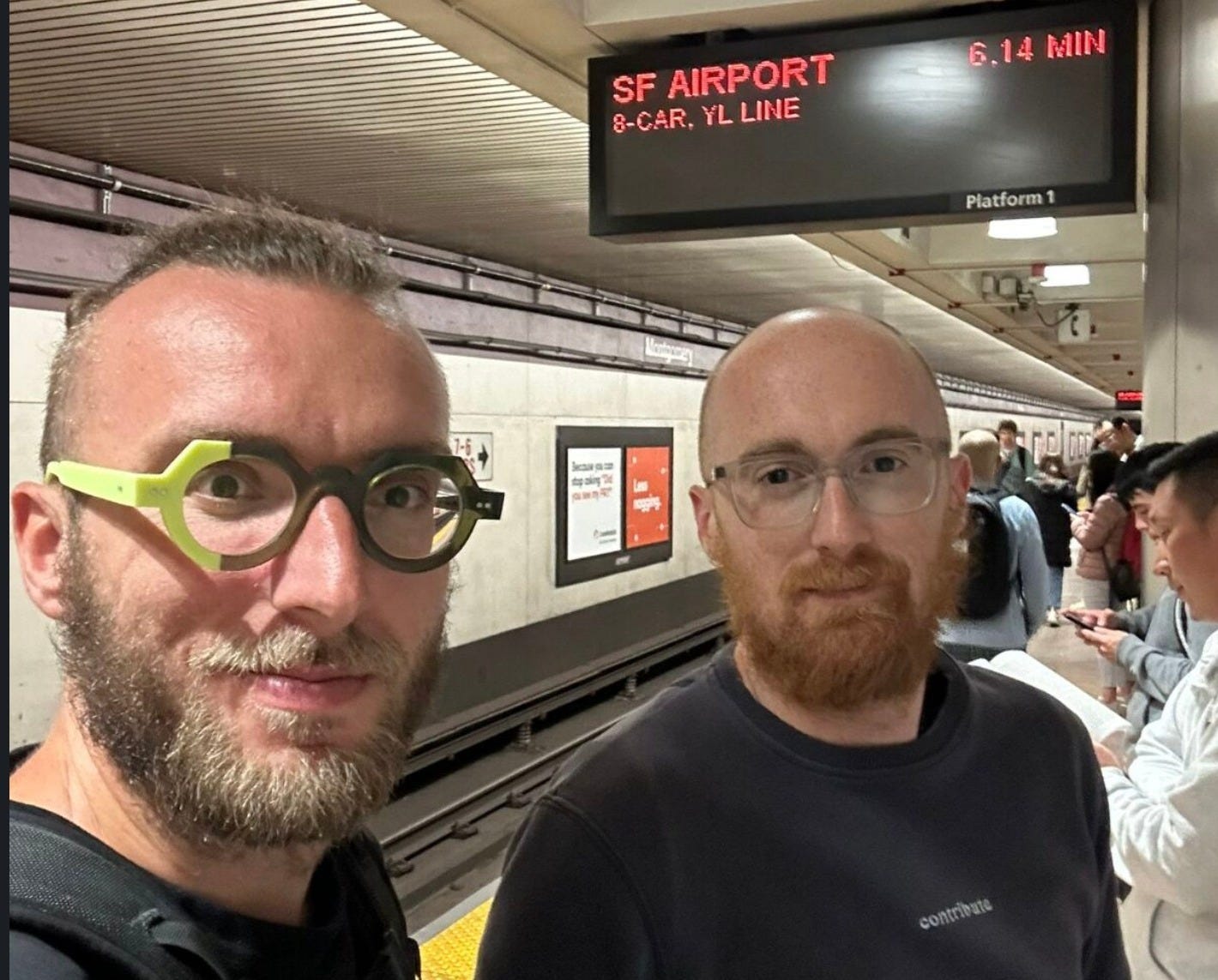
By 2024, OnlyDust was solid but slowing. Deals were harder, client budgets tightening. “You feel when the wind isn’t at your back,” Grégoire admits. The duo decided to relocate to San Francisco. A move that would completely reset their mindset.
Why they moved to San Francisco: changing the operating system
Landing in San Francisco was a shock. In France, €3 M ARR looked impressive; in the Bay Area, it barely registered. Grégoire describes it as “a cold shower, suddenly, we were small fish again.”
For Paco, who had used AI tools like Cursor and ChatGPT since early 2023, the move clarified a truth: American builders already worked AI-first. Here, code quality mattered less than velocity.
“They don’t care how beautiful the code is, they care if the feature ships tomorrow.” Paco explained.
This cultural jolt reframed their ambition. Instead of trying to “compete from Europe,” they rebuilt Ctrl+G as a U.S.-based AI-native startup : working in English, building fast, and iterating relentlessly.
They now rely on OnlyDust as the brand and trust layer for engaging developers, allowing them to build relationships, finance contributors, and collect high-quality data, while Ctrl+G serves as the dedicated brand for AI labs.
Building an AI-native product culture
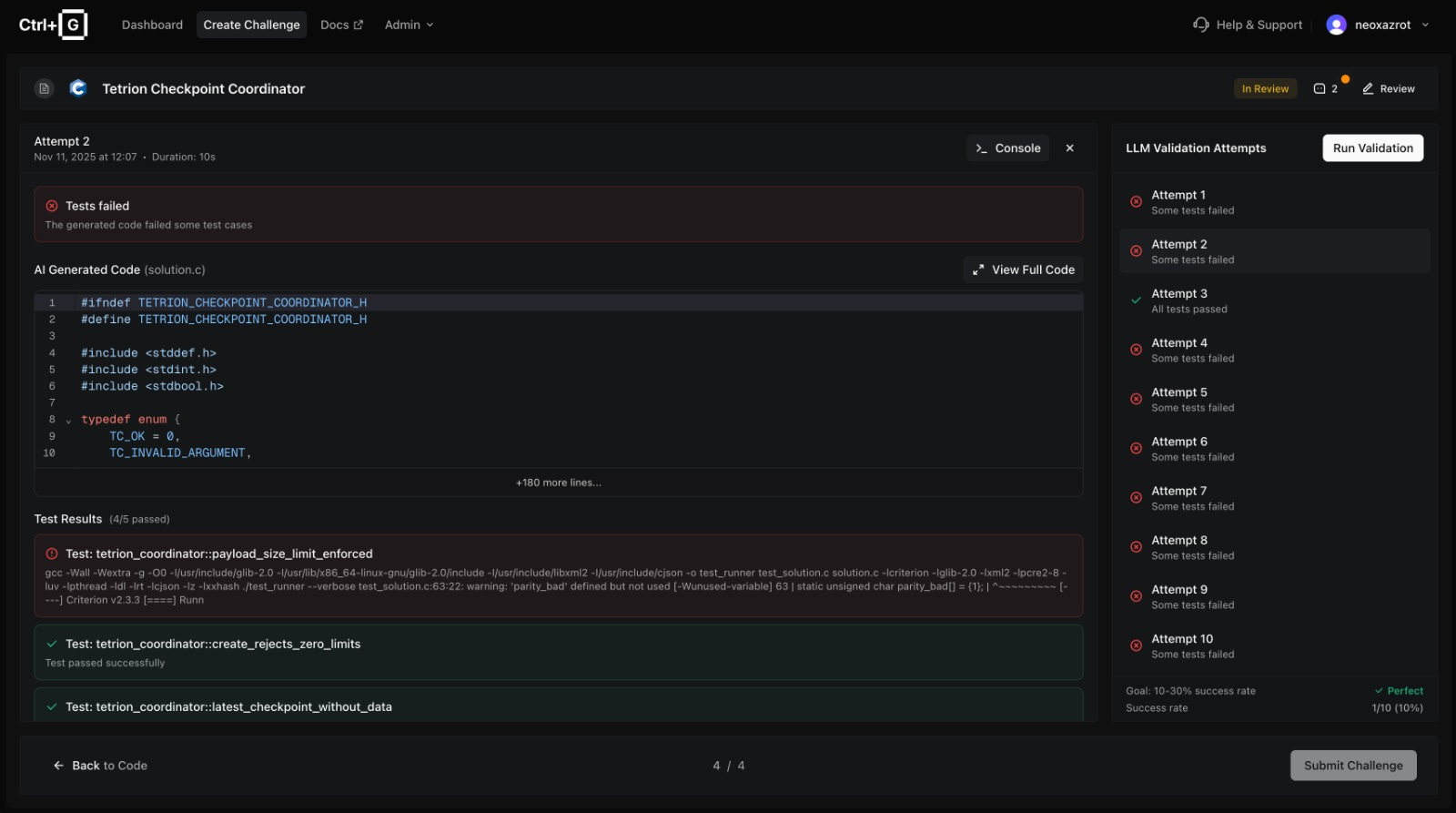
The turning point came when Paco prototyped a new feature using Cursor and GPT in a weekend, outpacing four frontend engineers working 10 days. That experiment rewired their view of software development.
“We used to ship one feature every 10 days; now Paco ships the same in a weekend” said Grégoire.
Instead of keeping their legacy processes, they rebuilt around AI agents. Designers, product managers, and engineers collapsed into a single loop: prompting, iterating, testing. Code reviews became conversations with Claude. The company now runs on a tiny team (three devs plus founders) moving 2–4 times faster without losing quality.
The key, says Paco, is mindset:
“Most people in France try to prove why AI doesn’t work. We try to make it work.”
Founder-led development
When Paco’s prototype proved the speed gap, they faced a hard choice: retrain or rebuild. But with a team that had grown too large to successfully make the deep cultural shift required by AI-native development, they knew retraining wouldn’t work. Instead of forcing a transformation they no longer believed was possible, they parted ways with most of their dev team.
“Someone said I was doing change management with a gun. Not recommended, but accurate” Grégoire joked.
They kept only those who fully embraced AI-assisted coding. One junior, Samy, thrived by treating Claude as a collaborator, even discovering that emotional prompting sometimes unblocked outputs. “He literally talks to Claude like a teammate” said Paco.
This “founder-led development” model means the founders carry technical risk and move faster than any traditional org.
“You can’t ask engineers to take existential risks, only founders can” as Grégoire summed up
Error: over-optimizing for product craft before embracing velocity
A recurring mistake, the founders admit, was treating craft as a goal. At Germinal and OnlyDust, they spent months debating roadmaps, reviewing code, and aligning teams. The lesson from Ctrl+G was that speed creates insight, not perfection.
“Here, you ship first, then fix later. Scalability can wait, the bigger risk is never launching” Paco explains.
Their early hesitation to embrace AI-assisted development nearly slowed them again. The reset proved painful (layoffs, re-architecture, new rhythms) but it freed them to iterate 10× faster. The cost of perfect code turned out higher than the cost of re-writing it later.

Founder-led development works only when founders accept technical risk themselves.
“AI-native” isn’t a feature; it’s a culture built on iteration speed, not code beauty.
Relocating to San Francisco gave Ctrl+G a new mental OS: global ambition first, excuses zero.
Small teams amplified by AI outpace large teams with legacy processes.
Velocity produces learning loops; optimization too early kills momentum.
AI agents are collaborators, not tools. Prompting is the new management skill.
Europe’s obsession with clean architecture limits its global ambition.
Emotional prompting and experimentation can reveal unexpected AI behavioral patterns.
Treat every AI model like a teammate, each has a “personality” you must learn.
Ctrl+G’s hybrid of open source and AI data infrastructure creates a new category.
Cutting non-believers early was crucial to cultural alignment.
Velocity and quality can coexist when you redefine quality as user impact, not code elegance.
The best AI-native companies build in public, and learn faster than they scale.
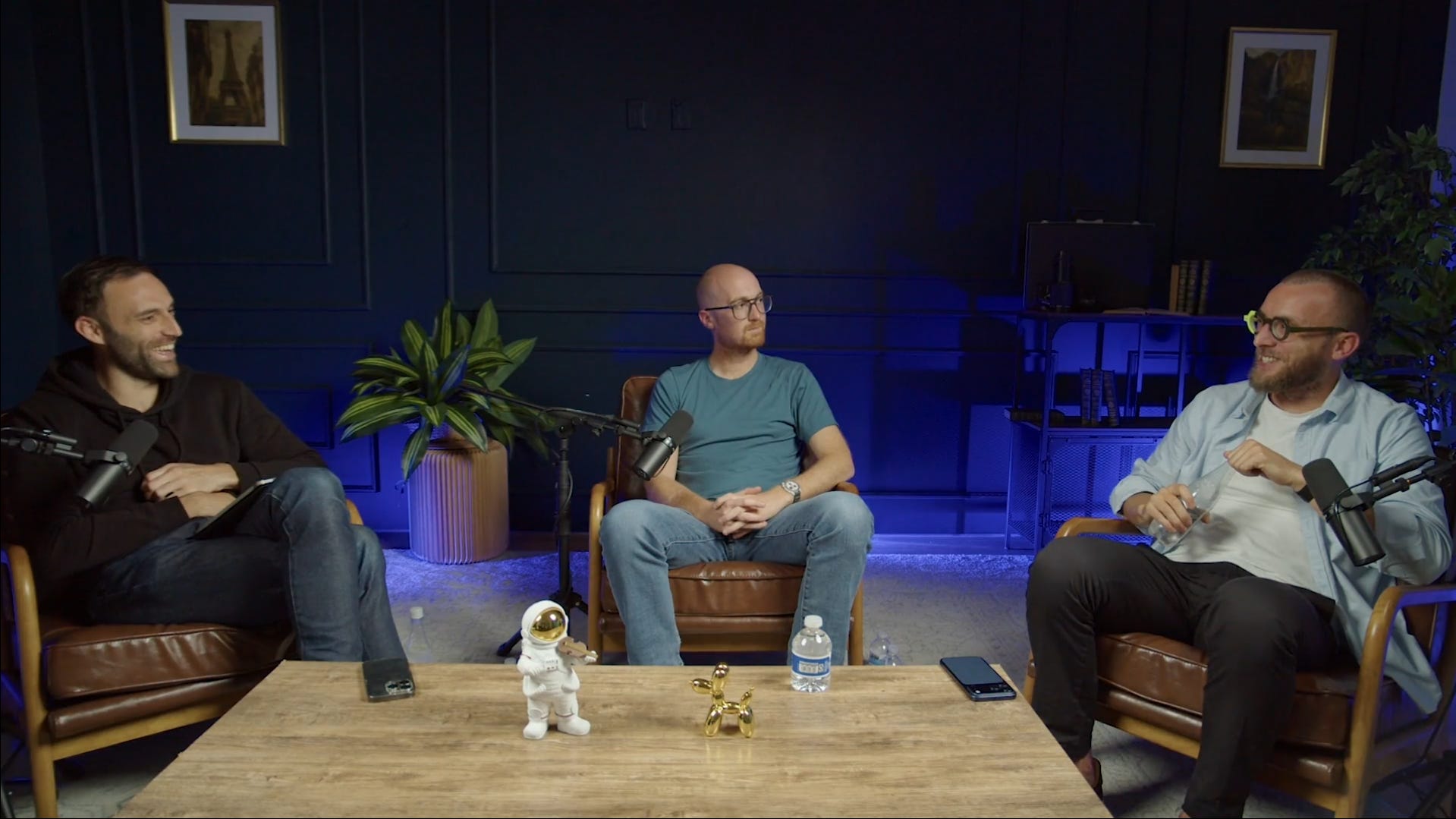
My full interview with CTRL+G
Dive deeper into this topic with Grégoire Gambatto and Paco Villetard, cofounders of Ctrl+G, in my latest podcast episode:
Enjoyed this newsletter? Share it with your network using the button below—your support means a lot!